
Nestled high in the Dikti Mountains on the Greek island of Crete, the Lasithi Plateau is a remarkable area known for its unique beauty, fertile landscapes, and rich historical significance. Covering approximately 25 square kilometers, this plateau sits at an altitude of around 800 meters, making it one of the few inhabited high-altitude plains in the Mediterranean region. Surrounded by mountain peaks and filled with traditional villages, the Lasithi Plateau offers a captivating experience that combines natural wonders, ancient mythology, and authentic Cretan culture.
A Fertile Land with Iconic Windmills
The Lasithi Plateau is famous for its lush, fertile soil, which has supported agriculture for centuries. Thanks to its high elevation and consistent water supply, the plateau has historically been an ideal place for cultivating crops. Farmers here grow everything from potatoes and onions to apples and almonds. The landscape is dotted with small fields, where locals practice traditional farming techniques that have been passed down through generations.
One of the plateau’s most iconic features is its windmills. These white-sailed windmills, once numbering in the thousands, were built in the 19th and early 20th centuries and served as a unique irrigation system to bring water from underground wells to the surface for crop irrigation. Although many of the original windmills have fallen into disrepair, some have been restored, offering a glimpse into the plateau’s past. The sight of these windmills, scattered across the fertile plains against a mountainous backdrop, creates a picturesque and timeless scene that has become emblematic of the Lasithi Plateau.

Mythological Significance: The Cave of Zeus
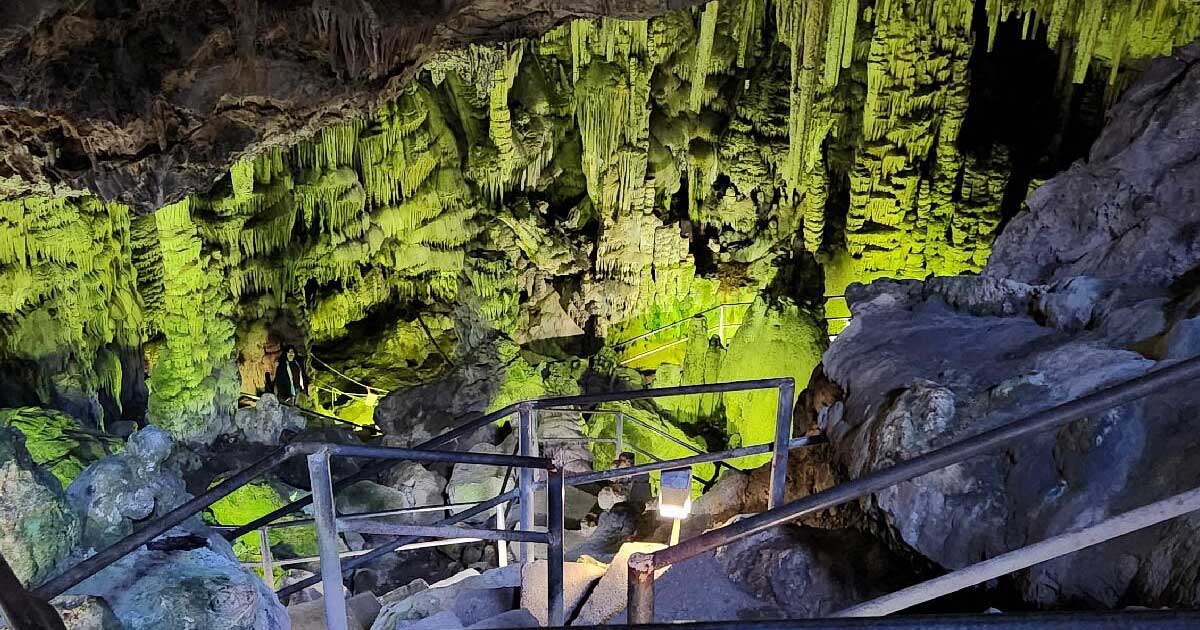
The Lasithi Plateau holds a special place in Greek mythology. According to legend, Zeus, the king of the Greek gods, was born in the Dikteon Cave (or Psychro Cave), located on the plateau. This cave, a sacred place in ancient Minoan religion, was believed to be where the goddess Rhea hid the infant Zeus to protect him from his father, Cronus. Today, visitors can hike up to this cave, which is filled with stalactites and stalagmites and offers a mystical atmosphere. The cave remains a popular attraction for those interested in both mythology and natural wonders, providing an otherworldly glimpse into Crete’s mythic past.
Traditional Villages and Local Culture
The Lasithi Plateau is home to several small villages that maintain a traditional Cretan lifestyle. Among these villages are Tzermiado, Agios Georgios, and Avrakontes, where visitors can experience authentic Cretan hospitality, cuisine, and customs. These villages, with their narrow streets, stone houses, and charming tavernas, provide an unfiltered look at rural life on the island. Tzermiado, the largest village on the plateau, serves as a convenient starting point for exploring the surrounding area and offers accommodations, traditional food, and a chance to interact with the warm local community.
Each village hosts unique celebrations, particularly during religious festivals, where locals come together in traditional dress to celebrate with music, dancing, and feasting. The plateau is also known for its local craftsmanship, particularly in weaving and ceramics, which are available in small shops across the villages.
The Plateau’s Natural Beauty and Outdoor Activities
Beyond its cultural appeal, the Lasithi Plateau boasts stunning natural beauty that attracts hikers, nature lovers, and adventurers. The plateau is surrounded by the peaks of the Dikti Mountains, which offer breathtaking views and trails that are popular for hiking and mountain biking. The lush plains, wildflower-filled meadows, and surrounding forests provide a serene and inspiring environment for outdoor activities. The region’s biodiversity is also impressive, with various native plants and animals that thrive in this unique high-altitude ecosystem.
In spring, the plateau bursts into color as wildflowers blanket the fields, and the sight of blooming almond trees adds to the plateau’s allure. Hiking trails lead visitors through captivating landscapes, and routes like the E4 European long-distance path allow trekkers to explore the surrounding mountains, uncovering panoramic views of the island and the Mediterranean Sea.
Visiting the Lasithi Plateau: A Journey to Crete’s Heart
For those seeking an authentic experience away from Crete’s bustling tourist centers, the Lasithi Plateau offers a tranquil retreat where visitors can immerse themselves in nature, history, and local traditions. Accessible by winding mountain roads, the plateau is just an hour’s drive from the cities of Heraklion and Agios Nikolaos, making it an ideal day trip for those exploring Crete.
The Lasithi Plateau provides a unique perspective on Crete, where agricultural heritage, mythological tales, and untouched landscapes come together in harmony. Whether you’re exploring ancient caves, admiring the old windmills, or simply savoring a traditional Cretan meal in a village taverna, the Lasithi Plateau promises a memorable and enriching journey to the heart of Crete’s cultural and natural wonders.